order by 5pm for same-day delivery within Klang Valley and Selangor!

Cupcakes

Pound Cakes

Cookies

Rolls

Tarts
Seasonal Cakes
Best Sellers
Our Signatures
Same day delivery
Special Occasion
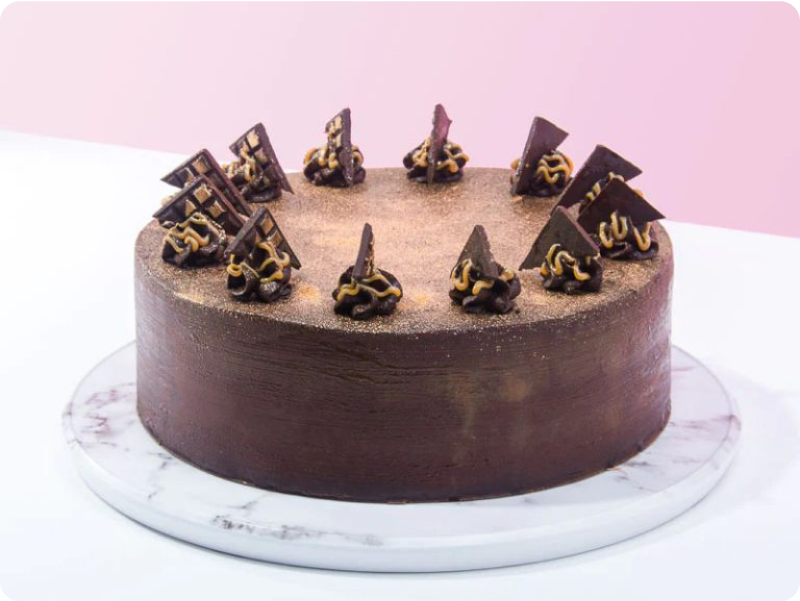

Everyone Asking: ‘Where’s This From?’
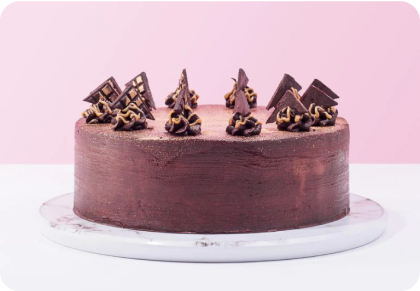
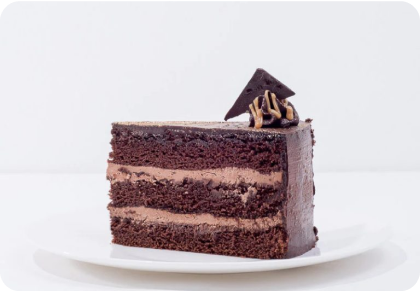
I ordered the GULA MELAKA CHOCOLATE FUDGE CAKE for my son’s birthday party. They made it on time and the cake was moist, elegant and sweet. Everyone who ate it was very pleased and asked me which cake shop it was from.
Not only was the cake delicious, but the hospitality was excellent and I will definitely order again soon!

Google Review
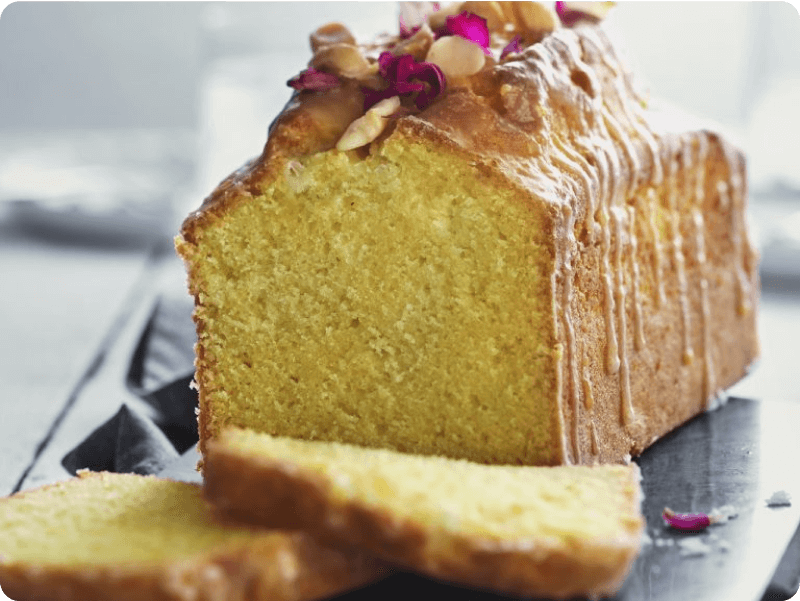

5 Star Taste, Presentation, & Service
My SIL sent me the lemon cake & ginger bread from Sweet Passion for Christmas.
Packaging & presentation: ☆☆☆☆☆
Taste ☆☆☆☆☆ (less sugar)
Service ☆☆☆☆☆ (they also give a stainless steel cake knife ?)
Google Review
Pound Cake Gifting Guide for Every Sweet Moment
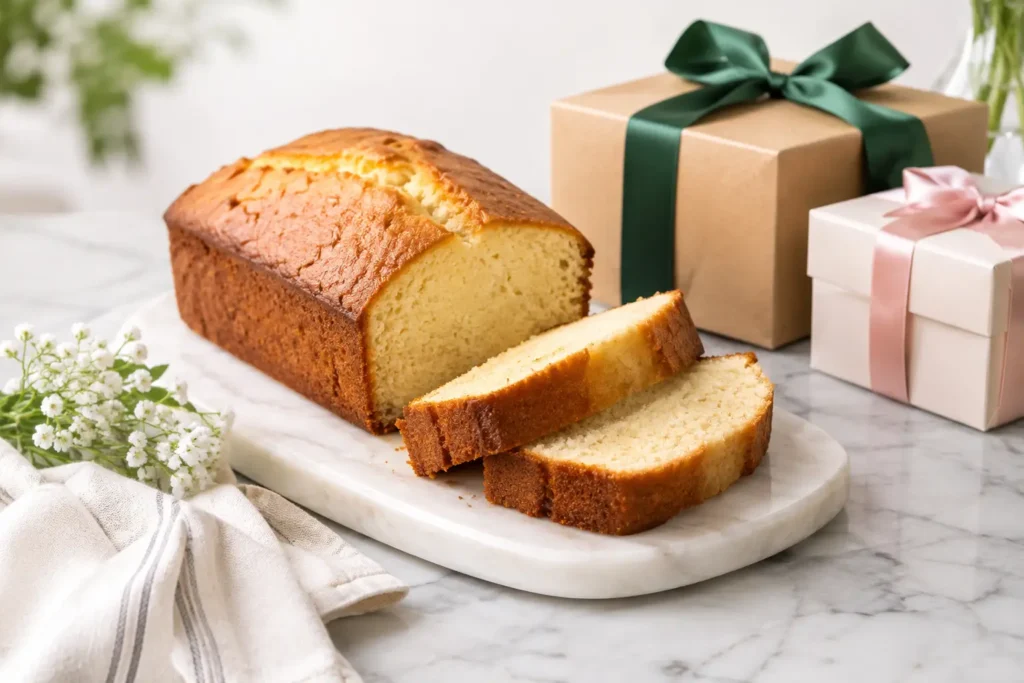
A gift does not need a grand occasion to feel meaningful. A buttery pound cake arriving at someone’s door says, “I’m thinking of you,” in a way that is warm, generous, and ready to share. This pound cake gifting guide makes it easier to choose a cake that feels just right, whether you are sending birthday wishes, thanking a host, or brightening an ordinary week.
Pound cake has a quiet kind of charm. It is polished enough for a celebration, yet familiar enough to bring comfort. Its tender, buttery crumb travels well, slices neatly, and holds its flavor beautifully, making it a thoughtful choice when you want your gift to arrive looking as lovely as it tastes.
Unlike a highly decorated layer cake, pound cake is wonderfully low-pressure. The recipient can enjoy a slice with morning coffee, bring it out after dinner, or share it with family over several days. That flexibility matters when you are not sure of their schedule or when you want to send something they can savor instead of serving all at once.
It is also a crowd-friendly choice. A classic vanilla, chocolate, lemon, or marble pound cake appeals to many palates, while more distinctive flavors can turn the gift into a memorable little discovery. The best choice depends on who is receiving it and what you want the gesture to say.
A thoughtful cake gift begins with the person, not the flavor trend. Consider what they reach for at a café, what they usually order at family gatherings, and whether they prefer desserts that are bright, rich, nostalgic, or less sweet.
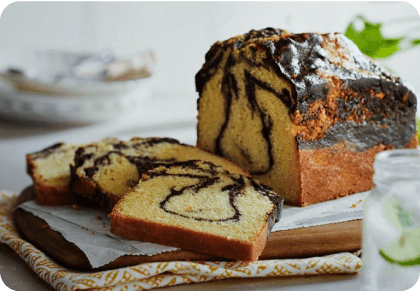
Choose a traditional butter, vanilla, or marble pound cake. These flavors feel familiar without being plain, especially when made with quality ingredients and a soft, fine crumb. Marble cake is particularly useful when you are unsure whether someone prefers chocolate or vanilla because it offers a little of both in every slice.
For an older relative, a new neighbor, or a professional contact, classic flavors are a gracious choice. They communicate care without asking the recipient to be adventurous. Pair the cake with a short, personal message rather than overthinking the selection.
A chocolate pound cake is a welcome gift for the person who always chooses the richest dessert on the menu. Look for one with a deep cocoa flavor rather than an overly sweet finish. A chocolate glaze or chocolate chips can make it feel more celebratory, while a plain loaf-style cake has an easy, everyday elegance.
Chocolate is especially fitting for congratulations, romantic gestures, and comfort gifts. If the recipient is going through a difficult season, a rich cake can feel like a small but sincere act of care.
Lemon pound cake is made for thoughtful daytime gifting. Its citrusy lift feels cheerful for birthdays, spring gatherings, housewarmings, and thank-you gifts. It is also a smart option after a heavy holiday meal or for recipients who often say they do not want anything too rich.
Fruit-forward flavors, gentle citrus glazes, or a cake with a light floral note can feel equally special. The trade-off is that these flavors may be more personal than vanilla or chocolate, so choose them when you know the recipient enjoys a little brightness in dessert.
This is where a gift can become a conversation. A pandan pound cake or a cake inspired by the caramel depth of gula melaka offers a familiar format with an unexpected flavor story. These choices are lovely for hosts, food-loving friends, and family members who enjoy trying something beyond the usual bakery counter.
Distinctive flavors work best when the occasion allows room for discovery. For a large office group, a classic cake may be safer. For a close friend who loves discovering new tastes, something inspired by Malaysian favorites can make the gift feel wonderfully personal.
The occasion shapes the presentation as much as the flavor. A pound cake does not need elaborate decoration to look gift-worthy, but choosing the right finish helps the gesture land beautifully.
For birthdays, select a cake that feels a little festive: chocolate with a glossy topping, lemon with a bright glaze, or a marbled cake with a ribboned presentation. Add a birthday note and, if you are sending it to a household, choose a size that gives everyone a generous slice. A pound cake is a lovely alternative for someone who prefers an understated birthday celebration.
For a thank-you, simplicity is a strength. A classic butter or citrus pound cake in beautiful packaging feels polished and sincere for a teacher, colleague, host, caregiver, or client. The note does much of the emotional work here. A specific message such as “Thank you for making us feel so welcome” will be remembered alongside the last slice.
For holidays, think about what the recipient will already be serving. During a busy season, a pound cake is useful because it can sit beautifully on a dessert table without needing to be the main event. Rich chocolate and warmly spiced flavors suit cozy winter gatherings, while lemon and vanilla feel right for spring celebrations, brunches, and Mother’s Day.
For a housewarming or new-baby visit, choose a cake that is easy to share and easy to serve. New parents and newly moved households have enough to organize. A fresh pound cake lets them offer something sweet to visitors or enjoy a quiet slice when the day finally slows down.
A cake gift should feel cared for before it is even opened. Choose packaging that keeps the cake protected, neat, and ready to present. A clean cake box, a simple ribbon, and a handwritten-style message card can turn a humble loaf into a genuinely special delivery.
Timing is just as important. If you are sending a cake for a birthday, anniversary, or holiday, order early enough to secure your preferred delivery window. For a spontaneous thank-you or last-minute celebration, look for a bakery that clearly communicates its cutoff times and delivery availability. Convenience should never mean guessing when the gift will arrive.
If the recipient is not likely to be home, consider sending the cake to their workplace, arranging delivery for a gathering, or checking whether there is a safe drop-off option. Freshness matters, but so does avoiding a cake that spends the afternoon waiting outside.
At Sweet Passion, a beautifully made pound cake can bring together the ease of online ordering with the warmth of a gift chosen just for them. When available, same-day delivery is especially helpful for those moments when you remember an occasion late but still want your gesture to feel generous.
The most memorable cake gifts usually include one small detail that shows you were thinking of the recipient. It may be their favorite flavor, a message that references an inside joke, or a delivery scheduled for the morning of an important day. You do not need a large bundle of extras for the gift to feel complete.
If you are sending pound cake to a family, choose a flavor that invites sharing. If it is for one person, choose the flavor they would order for themselves but might not buy on an ordinary day. That is the sweet spot between practical and indulgent.
A well-chosen pound cake turns a delivery into a pause for joy. Send the flavor that feels like them, add a few honest words, and let every buttery slice carry the care you wanted to share.
A Guide to Festive Dessert Gifting That Delights
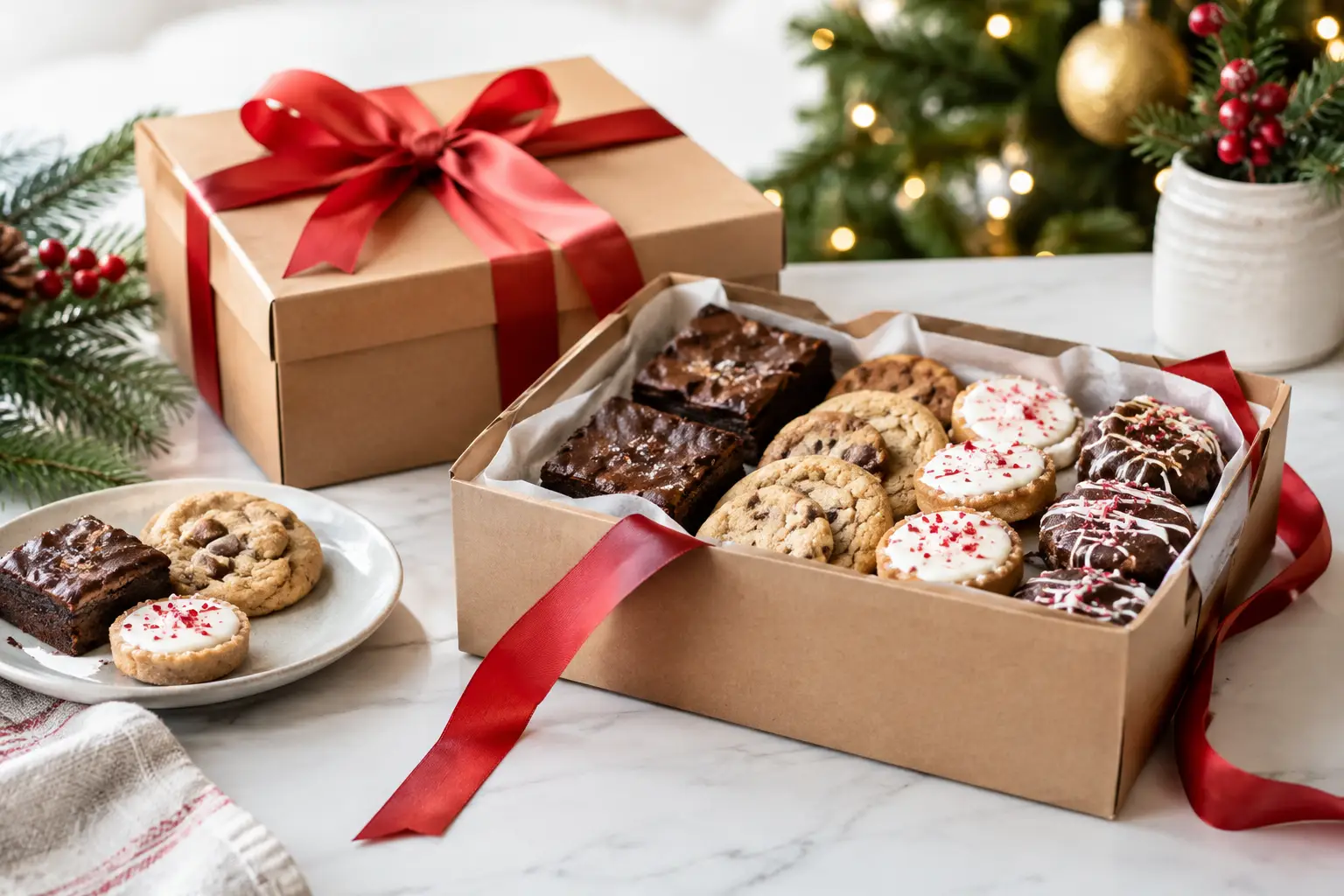
The best festive gifts rarely stay in their boxes. They are placed at the center of the table, passed around after dinner, admired before the first slice, and remembered long after the gathering ends. This guide to festive dessert gifting is for those moments when you want to arrive with more than a polite host gift. You want to bring a taste of celebration.
A beautiful cake, a box of cookies, or a thoughtful selection of desserts can make a holiday visit feel warmer from the very first hello. The secret is choosing a gift that suits the people, the occasion, and the practical details behind getting it there fresh and on time.
Festive dessert gifting is not one-size-fits-all. A small family dinner calls for a different choice than an office potluck, a packed open house, or a holiday visit with friends you have not seen all year. Before choosing flavors or decorations, consider where the dessert will be served and how many people may share it.
For a cozy dinner, a generously sized cheesecake, chocolate cake, or cream cake creates an easy dessert course without adding work for the host. For a larger party, cupcakes, cookies, rolls, and individual tarts are often more practical because guests can help themselves. They also make a lovely option when guests will be arriving and leaving at different times.
Think about the role your gift will play. Is it meant to be the grand finale after a festive meal? A beautiful centerpiece deserves a celebratory whole cake with a polished finish. Is it a sweet addition to a table already full of food? Smaller treats may be the more considerate choice. A gift should feel abundant, not create pressure for the host to find plates, cutlery, refrigeration, and space for a large dessert they did not plan for.
A thoughtful gift feels personal without requiring you to know every detail of someone’s pantry. Start with what they naturally enjoy. Chocolate lovers will appreciate a rich, indulgent cake or brownie-style treat, while someone who prefers lighter desserts may enjoy a fruit-forward tart, a fluffy cream cake, or a less-sweet cheesecake.
When you are gifting a family, familiar flavors are usually a safe and welcome choice. Vanilla, chocolate, cookies and cream, and classic cheesecake please a wide range of ages. When you are gifting a close friend, client, or food-loving host, a distinctive flavor can make the gesture feel more memorable. Pandan, gula melaka, onde-onde inspired creations, and other local flavor notes bring personality to the table while still feeling celebratory.
Dietary needs deserve the same care as flavor preferences. If you know the recipient follows a vegan diet or avoids flour, choosing an appropriate specialty dessert shows genuine attention. If you are unsure, avoid making assumptions. A smaller assortment for the group alongside a clearly suitable option for the recipient can be a kind solution, provided the items are kept separate and labeled clearly.
A festive dessert is only as good as it tastes when the box is opened. Attractive packaging matters, but freshness, texture, and proper handling matter more. Cream-based cakes, cheesecakes, and desserts with delicate toppings need thoughtful delivery timing, especially if they will sit out during a long gathering.
If you are sending a gift directly to someone’s home, arrange delivery for a time when someone is likely to receive it. A cake left at the door in warm weather or during a busy workday can quickly lose its appeal. When the recipient is hosting, an earlier delivery may be helpful, but not so early that it creates a storage problem. Ask whether they have refrigerator space if the dessert requires chilling.
Same-day delivery can be a lifesaver for a last-minute invitation, a forgotten holiday exchange, or a spontaneous family visit. Still, it works best when you check order cutoffs, delivery windows, and the recipient’s availability before placing the order. Fast fulfillment is valuable, but a well-timed gift feels even more thoughtful.
If you are carrying the dessert yourself, keep the journey in mind. A tall decorated cake may be perfect for a short drive to a family dinner, while cookies or cupcakes can be easier to transport to a crowded office or a gathering across town. The right choice depends on the route, the weather, and how much handling the gift will need before serving.
Holiday desserts do not need to be complicated to feel special. A familiar chocolate cake can become the gift everyone hopes will return next year. A buttery pound cake can make an afternoon coffee visit feel complete. A bright tart can bring welcome balance after a rich holiday meal.
At the same time, festive gifting is a wonderful reason to choose flavors with a little surprise. A dessert inspired by pandan and coconut brings a fragrant, tropical character. Gula melaka offers deep caramel warmth, while onde-onde inspired treats bring a playful nod to a beloved sweet. These flavors are especially meaningful when you are sharing a piece of home, introducing a friend to something new, or bringing a conversation-starting dessert to a celebration.
There is a trade-off between adventurous and universally familiar flavors. For a big mixed group, choose a classic main dessert and add a smaller specialty treat if possible. For a close-knit gathering of enthusiastic eaters, let the signature flavor take center stage. The goal is not to impress everyone with the most unusual choice. It is to choose something people will be excited to share.
Presentation turns dessert into a proper gift. Choose a cake or treat box that looks polished enough to place directly on the table, then add a short note with the occasion in mind. A few sincere words can carry more warmth than a long message: Wishing your home a sweet holiday, Thinking of you this season, or Save us a slice.
If the dessert is for a host, include serving details when helpful. Let them know whether it should be refrigerated, when it is best enjoyed, and whether it includes flavors guests may want to know about. This small courtesy makes the gift easier to serve with confidence.
For business gifting or a group exchange, keep the message warm but simple. A beautifully packaged dessert with a clear note from your team, family, or household feels gracious without being overly formal. If the recipient has a busy schedule, send the dessert on a day when they can enjoy it rather than during the most hectic part of the holiday rush.
Seasonal menus and popular delivery times can fill quickly, particularly around major holidays and long weekends. Ordering early gives you more choice in flavors, sizes, and delivery windows. It also leaves room to confirm addresses, building access instructions, and the recipient’s preferred delivery time.
That said, not every thoughtful gift requires weeks of planning. A last-minute cake can still feel wonderfully personal when it suits the occasion and arrives fresh. Sweet Passion makes it easier to send celebration-worthy desserts when time is short, with a menu that balances familiar favorites and flavor-forward treats.
Before you check out, take one final moment to confirm the essentials: the date, address, recipient phone number, storage needs, and any message on the card. These details are not glamorous, but they protect the joy behind your gesture.
A festive dessert gift says, I wanted your gathering to feel sweeter. Choose one that invites people to pause, pour another cup of coffee, and enjoy one more bite together.
Flavour Fusion Trends for Celebration Cakes
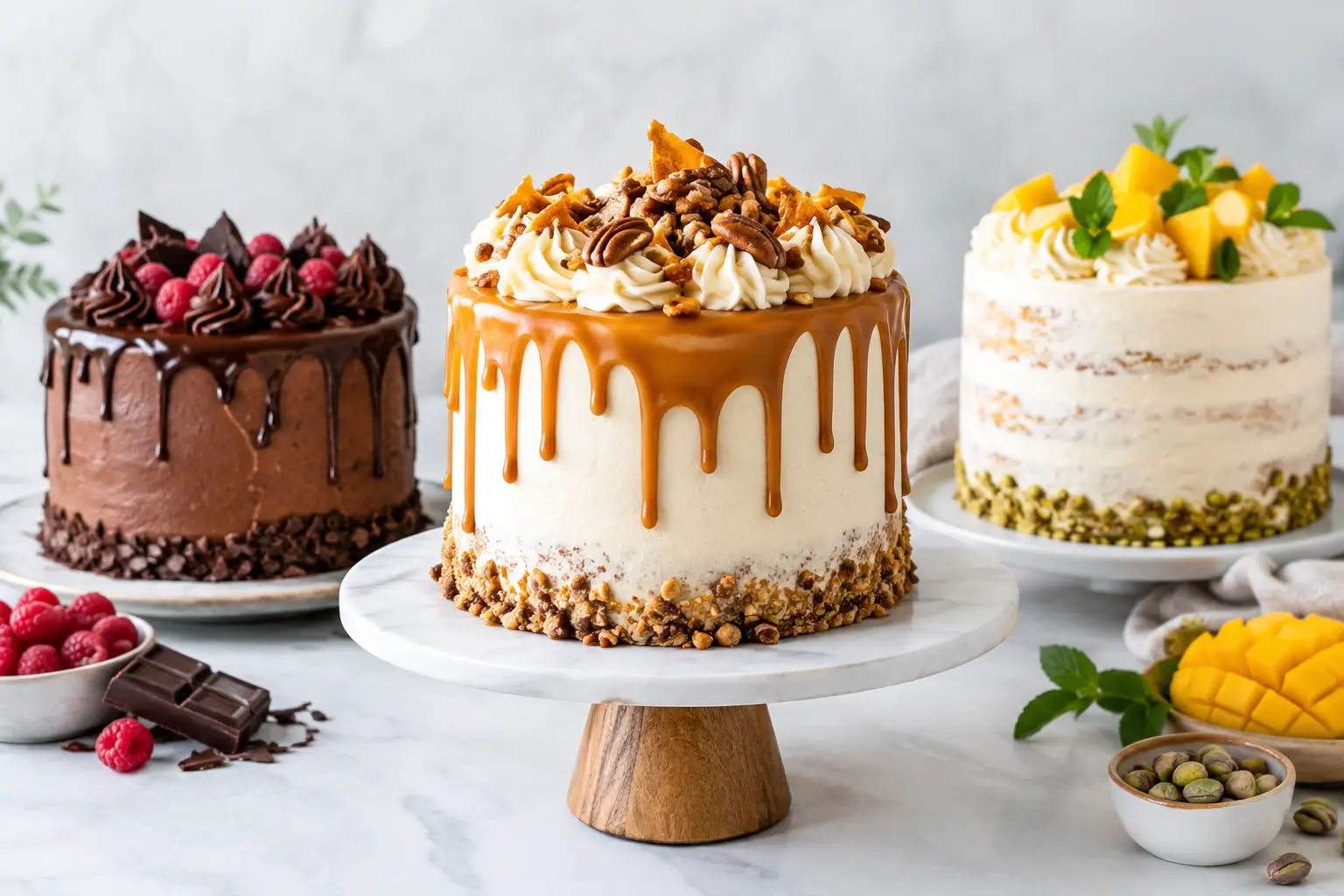
A birthday cake can be beautiful, tall, and covered in perfect swirls, yet still feel forgettable if every bite tastes exactly as expected. That is why flavour fusion trends are reshaping celebration desserts. The most exciting cakes today pair the comfort people already love with a surprising note that makes guests pause, smile, and ask for another slice.
For gift buyers and busy hosts, this is good news. You do not need to choose between a crowd-pleasing classic and something with personality. A well-designed fusion cake can feel familiar enough for the whole family while giving the occasion its own delicious point of view.
Flavor fusion is more than putting two trendy ingredients in the same cake. It is a thoughtful balance of contrast and connection. A rich chocolate sponge may become brighter with orange or raspberry. Creamy cheesecake can gain warmth from roasted sesame, ginger, or a caramel-like ribbon of gula melaka. Vanilla, often treated as plain, becomes more interesting beside fragrant pandan or lightly salted popcorn.
The best pairings have a reason to be together. One flavor might add freshness to cut through richness, while another brings depth, texture, or nostalgia. Think of dark chocolate and sea salt, where salt makes the cocoa taste fuller rather than simply salty. Or consider coconut and lime, which feel tropical and lively without becoming too sweet.
A fusion cake also needs restraint. Too many competing notes can make a dessert confusing, especially when it is meant to be shared across generations. The goal is not to surprise guests with every forkful. It is to make a beloved cake feel more memorable.
Some of the most meaningful flavor combinations begin with ingredients people recognize from home. Pandan brings a grassy, vanilla-like fragrance that feels especially lovely with coconut cream, vanilla sponge, or white chocolate. Gula melaka adds a deep, toasted sweetness to caramel, coffee, banana, and cheesecake. Onde-onde-inspired desserts bring pandan, coconut, and palm sugar together in a way that feels festive and instantly comforting.
These flavors work beautifully for family birthdays, housewarmings, and holidays because they carry a sense of place. They also offer a thoughtful alternative when you want to send a gift that feels more personal than a standard chocolate cake.
The key is presentation. A locally inspired flavor can still look refined with clean frosting, elegant piping, a glossy drizzle, or delicate coconut accents. Familiar does not have to mean casual.
Fresh fruit has moved beyond being a garnish. Citrus, berries, mango, passion fruit, and even tart cherry are being used to balance creamy fillings and rich frostings. A lemon curd layer can wake up a butter cake. Passion fruit can bring lift to white chocolate mousse. Raspberry adds a sharp, juicy contrast to dark chocolate that feels sophisticated without being difficult to love.
For warm-weather birthdays and afternoon celebrations, fruit-forward fusion flavors are often a smart choice. They usually feel lighter after a meal and photograph beautifully on a dessert table. Still, not every fruit pairing suits every guest list. A very tart filling may delight adults but be less popular with younger children, so balance matters.
A small savory edge can transform a cake from pleasant to unforgettable. Salted caramel remains popular for a reason, but bakers are taking the idea further with toasted nuts, miso caramel, sesame, cheese notes, herbs, and gentle spice.
For example, a chocolate cake with a lightly salted peanut praline can feel familiar and indulgent. A honey cake with rosemary or thyme may suit an elegant dinner party. Cream cheese frosting with a subtle savory tang is a natural match for carrot, pumpkin, or spice cake.
This trend works best when the savory ingredient stays in the background. A celebration cake should still feel like dessert. If the flavor is too assertive, guests may admire the idea more than they enjoy the slice.
Cakes are increasingly inspired by flavors people know through travel, family traditions, café culture, and favorite snacks. Matcha and strawberry, chai and vanilla, coffee and hazelnut, black sesame and cream, and cinnamon with dulce de leche all offer a sense of familiarity with an extra layer of character.
The appeal is emotional as much as culinary. A chai-spiced cake may remind someone of a cozy afternoon. Coffee and chocolate can make an office birthday feel more grown-up. Mango with coconut cream brings a sunny, celebratory mood to a simple gathering.
When choosing a globally inspired fusion, consider the occasion and the people around the table. A sophisticated matcha cake may be ideal for a parent’s birthday or a client gift, while cookies-and-cream with a touch of salted caramel might be the better choice for a kids’ party. Great gifting begins with knowing what will make the recipient feel seen.
The easiest way to choose is to start with the cake style your recipient already enjoys. If they love chocolate, look for a chocolate cake with fruit, coffee, spice, or nutty contrast rather than moving immediately to an unfamiliar flavor. If they prefer lighter desserts, vanilla, yogurt, coconut, citrus, and fruit pairings are often safer places to begin.
Next, think about sweetness. Many fusion trends use ingredients such as citrus, tea, roasted nuts, or sea salt to create a more balanced finish. This can be especially welcome for guests who want a premium dessert that does not feel heavy after two bites. On the other hand, a caramel-filled, cookie-topped creation may be exactly right for a joyful children’s celebration or a group with a serious sweet tooth.
Texture deserves attention too. A smooth mousse, crunchy praline, jammy fruit center, and tender sponge can make one slice feel layered and special. But if the cake will travel, sit outdoors, or be served hours after delivery, simpler structures may hold up better. The best cake is not only delicious when photographed. It should arrive looking polished and serve beautifully when the candles are lit.
Fusion cakes shine when the flavor supports the feeling of the occasion. For a birthday, choose a cake that feels like the guest of honor: playful for a child, nostalgic for a parent, bold for a friend who loves trying new foods. For Mother’s Day, soft floral, fruit, tea, or coconut notes can feel gentle and thoughtful. For a holiday gathering, warm spice, chocolate, coffee, and caramel tend to invite second helpings.
For larger events, keep the widest range of guests in mind. A familiar base flavor with one distinctive element is usually more successful than a highly adventurous cake. Chocolate with orange, vanilla with pandan, or cheesecake with gula melaka offers an easy entry point while still giving people something to talk about.
Sweet Passion understands that a cake is often both dessert and message. The right flavor says you remembered what they love, planned ahead, and chose something worth gathering around. When time is short, dependable same-day delivery can make that thoughtful gesture possible without making it feel rushed.
Not every trend deserves a place at every celebration. The cake that wins is the one that suits the people sharing it, not the one with the longest list of unusual ingredients. Choose a trusted favorite when certainty matters, then add a twist that feels joyful: a swirl of pandan, a spoonful of citrus curd, a touch of sea salt, or the deep caramel warmth of gula melaka.
Let the flavor tell a small story. When the final slice disappears and someone asks where the cake came from, that is when a celebration becomes a memory worth keeping.
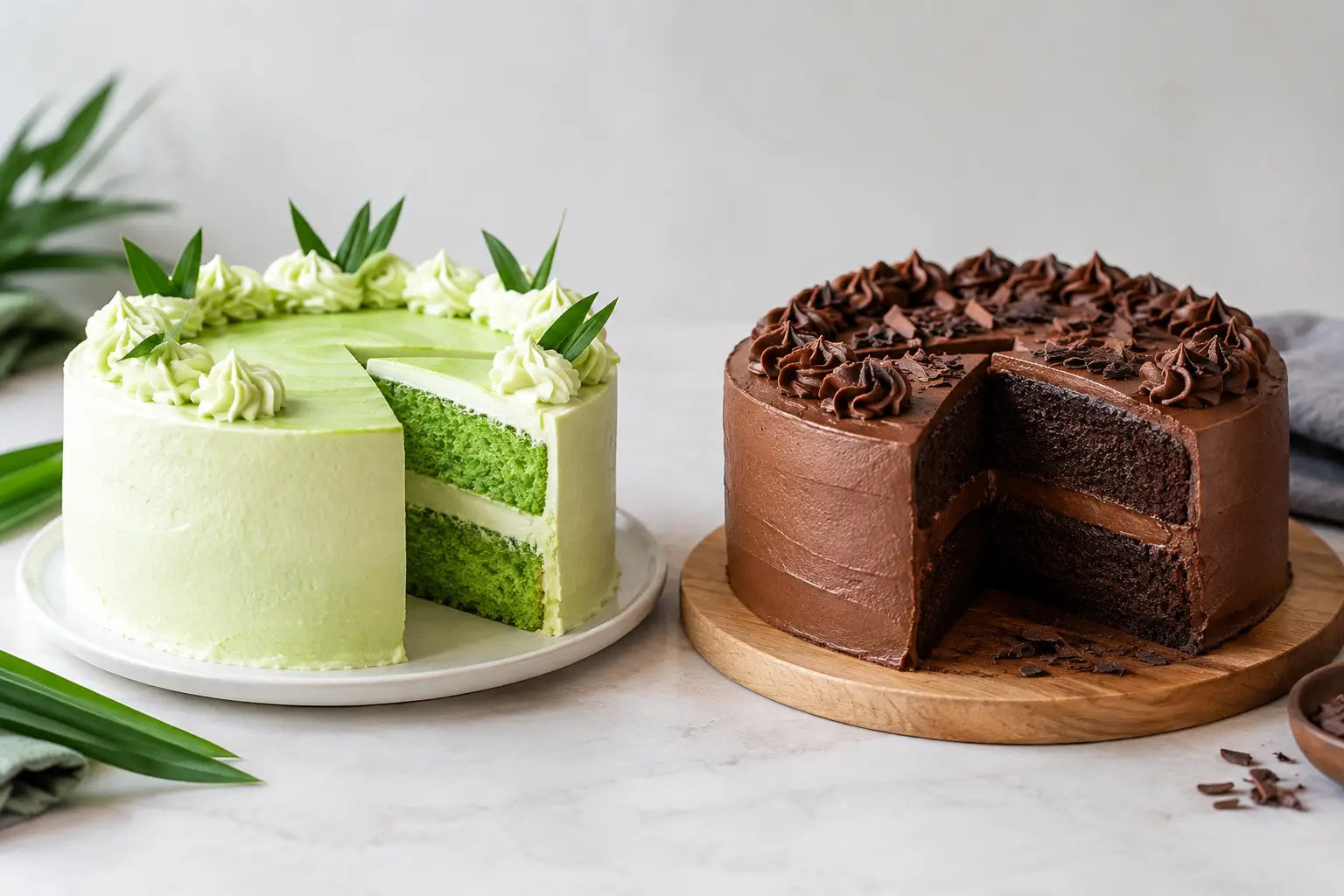
Pandan Cake vs Chocolate Cake: Which One Wins?
A cake can set the whole tone of a celebration before the candles are even lit. In the pandan cake vs chocolate cake debate, there is no single winner – only the flavor that makes your guest of honor feel most seen. One brings fragrant, tropical charm and a beautiful green hue; the other delivers the familiar, deeply comforting richness people reach for again and again.
If you are ordering for a birthday, family gathering, office surprise, or thoughtful gift, the best choice comes down to the crowd, the meal, and the feeling you want the moment to carry.
Pandan cake has a flavor that is difficult to compare to a single Western ingredient. Pandan leaves are often described as gently grassy, floral, nutty, and vanilla-like, with a naturally aromatic finish. In a well-made cake, that perfume-like warmth is balanced rather than overpowering. Coconut cream, gula melaka, or light whipped cream often make especially lovely partners, adding a mellow richness that feels distinctly Southeast Asian.
Chocolate cake takes a more direct route to delight. Cocoa brings depth, roastiness, and sweetness, whether the cake is soft and milk-chocolate gentle or dark, fudgy, and intense. It is familiar in the best possible way: the kind of flavor that makes children smile quickly and gives adults a welcome little moment of comfort.
The key difference is not simply that pandan is unusual and chocolate is classic. Pandan tends to feel lighter, brighter, and more aromatic. Chocolate feels fuller, richer, and more indulgent. If your celebration calls for a dessert that surprises without being difficult to love, pandan has a special advantage. If you need a flavor that nearly everyone will recognize and happily accept, chocolate is the dependable favorite.
A pandan cake is a beautiful choice when flavor is part of the story. It can remind someone of family gatherings, festive tables, childhood treats, or a favorite Malaysian dessert. For a parent’s birthday, a Hari Raya visit, a Lunar New Year gathering, or a host gift, pandan offers more than sweetness. It offers a sense of thoughtfulness.
Its soft green color also has a quiet celebratory appeal. Styled with coconut, cream, or delicate cake decorations, it looks fresh and elegant without needing a heavy layer of frosting. That makes pandan particularly fitting for daytime celebrations, tea gatherings, garden-inspired parties, and warm-weather birthdays.
Pandan is also worth considering after a generous meal. A fragrant sponge with a light cream filling can feel less weighty than a dense chocolate cake, especially when guests have already enjoyed savory dishes. That does not mean pandan is always less sweet – recipes vary – but its aroma can create a cleaner, more lifted finish on the palate.
There is one trade-off to keep in mind. Some guests may not know pandan well, particularly at a mixed group event. If the cake is meant for someone who loves local flavors or enjoys trying something beyond the usual, that is part of its appeal. If the room includes many cautious eaters, choose a pandan cake with familiar supporting flavors such as vanilla cream, coconut, or caramel-like gula melaka.
Pandan shines when the recipient enjoys flavors with character. Choose it for the friend who always orders dessert with coconut, the family member who misses flavors from home, or the host who deserves something more memorable than a standard bakery choice. It is also a smart way to make a small celebration feel considered and special.
Chocolate cake is the answer when you want the cake decision to be easy. It suits children’s birthdays, office celebrations, casual family dinners, graduation parties, and last-minute surprises because it is widely loved and easy to pair with almost any celebration style.
For younger guests, a soft chocolate sponge with creamy frosting can feel like the birthday cake they have been hoping for all week. For adults, a darker chocolate cake, chocolate ganache, or a less-sweet cocoa cream can bring a more polished finish. The flavor is flexible enough to be playful or sophisticated depending on the decoration and filling.
Chocolate also works beautifully when your event has plenty of other flavors happening. A party table with fruit, savory snacks, or a variety of drinks benefits from a dessert guests understand at a glance. There is comfort in knowing that even the pickiest eater is likely to take a slice.
The trade-off is that chocolate can feel heavier, especially if the cake is very rich or frosted generously. After a large dinner, some guests may prefer a smaller portion. For afternoon celebrations or groups that favor lighter desserts, look for a chocolate cake with fresh cream, berries, or a fluffier sponge rather than a dense mud-cake style.
Choose chocolate when the recipient has a well-known sweet tooth, when children are the center of the celebration, or when you are serving a larger and more varied guest list. It is also a reassuring choice when you are sending a cake from afar. Familiarity travels well, and a beautiful chocolate cake still feels deeply generous when it arrives at someone’s door.
Two cakes can share the same headline flavor and still feel completely different to eat. A pandan chiffon is airy and tender, while a pandan layer cake with buttercream may be more substantial. Likewise, chocolate sponge can be feather-light, while flourless chocolate cake is dense, silky, and intensely cocoa-forward.
Before you order, consider what your guests usually enjoy. A family that loves soft, delicate cakes may appreciate pandan sponge with light cream. A group that speaks fondly about brownies, ganache, and rich desserts may be happiest with chocolate. Texture often decides whether guests reach for a second slice.
For gifting, texture affects timing too. Cream cakes feel most luxurious when enjoyed fresh and chilled, while a pound-cake-style option can be easier for a recipient to serve over a day or two. If you are planning a surprise delivery, choose a cake style that fits when and where it will be enjoyed.
A simple way to decide is to picture the plate before dessert arrives. After spicy foods, grilled dishes, or a festive spread, pandan and coconut notes can feel refreshing and harmonious. After pizza, burgers, or a relaxed birthday buffet, chocolate gives the celebration a familiar grand finish.
Season matters too. Pandan’s fragrant, creamy character feels wonderful for spring and summer gatherings, brunches, and daytime celebrations. Chocolate is a natural match for cozy evenings, holiday tables, and rainy-day birthdays, though a lighter chocolate cake can work any time of year.
Do not let rules become restrictions, though. The most meaningful choice is often the one connected to the person you are celebrating. A chocolate-loving mom deserves chocolate in July. A pandan fan deserves pandan even if everyone else expected something conventional.
For a larger celebration, offering both flavors is often the kindest solution. A pandan cake gives adventurous guests and local-flavor lovers something exciting, while chocolate provides an easy favorite for children and traditional dessert fans. Two smaller cakes can also make the dessert table look more abundant and allow guests to choose the slice that suits them.
If you need one cake only, think about whose name is on the celebration. The guest of honor should guide the decision, not the loudest opinion in the group. A birthday cake is a small but meaningful way to say, “We remembered what you love.”
At Sweet Passion, that feeling is at the heart of every celebration cake: beautiful enough to present proudly, fresh enough to savor, and thoughtful enough to turn an ordinary gathering into a memory. Whether you choose pandan’s fragrant charm or chocolate’s timeless richness, serve the flavor that will make the first slice feel like it was chosen just for them.

Same Day Cake Delivery On
Orders Before 5PM (Mon-Sat)

Choose Your Preferred
Delivery Slot

Finest Selection
Of Cakes

our cakes are
100% halal certified



Be the first to know about new flavors, exclusive offers, and more.